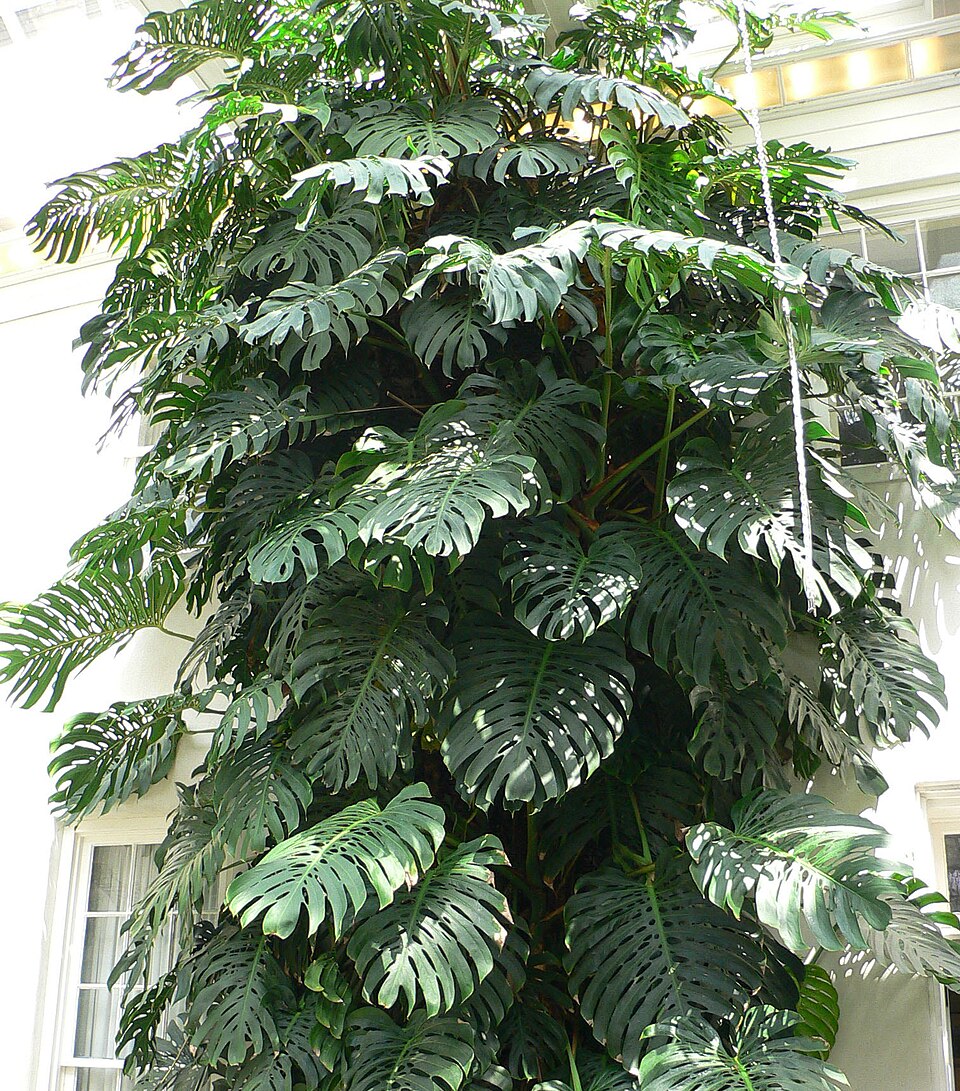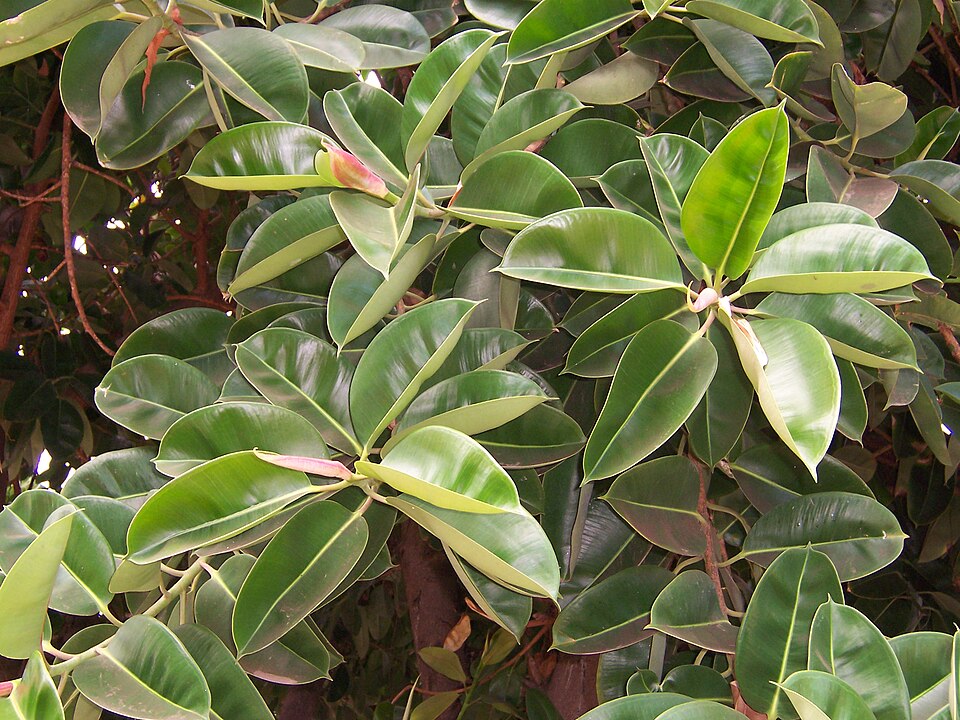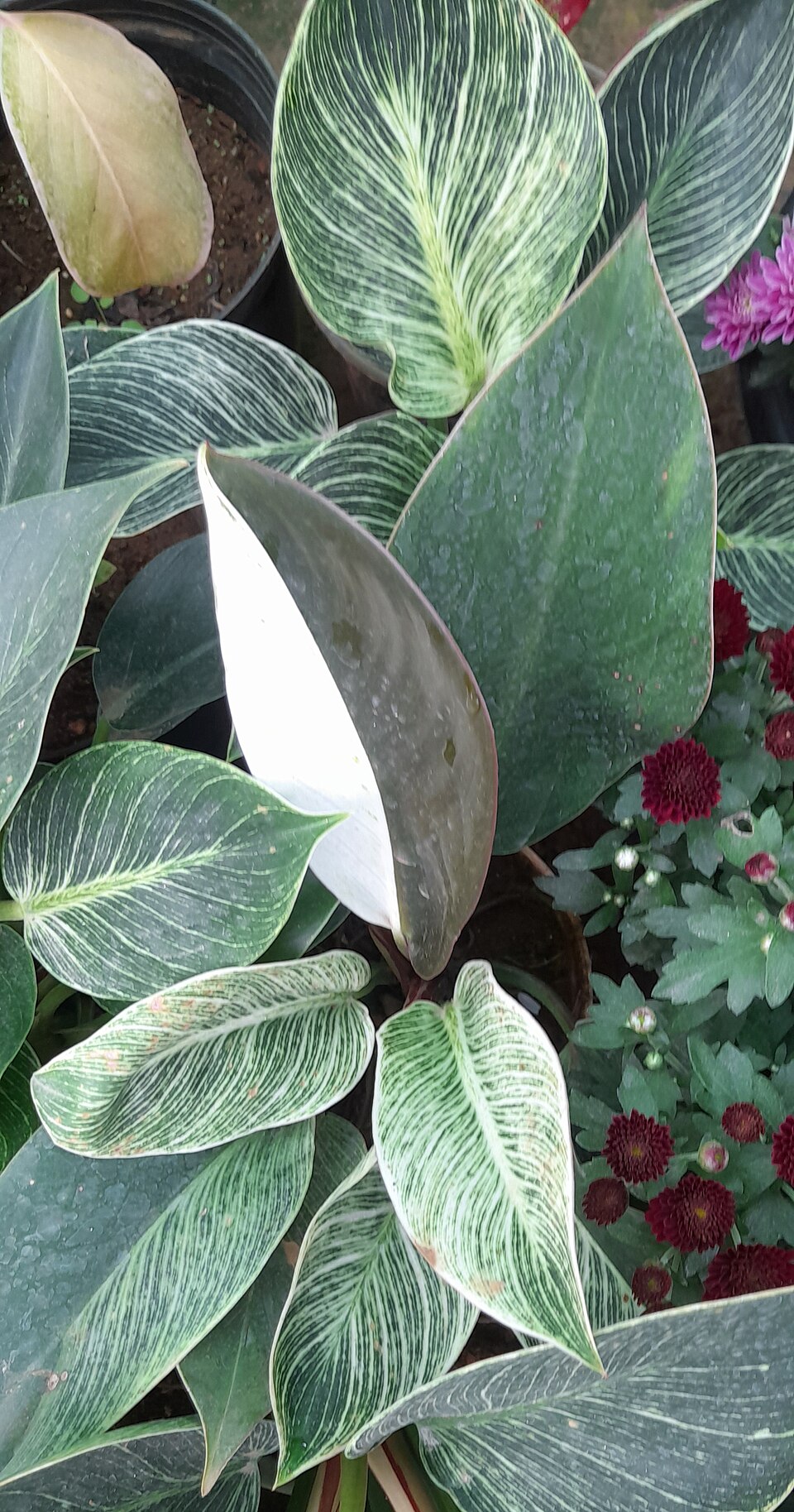

Alocasia (Elephant Ear)
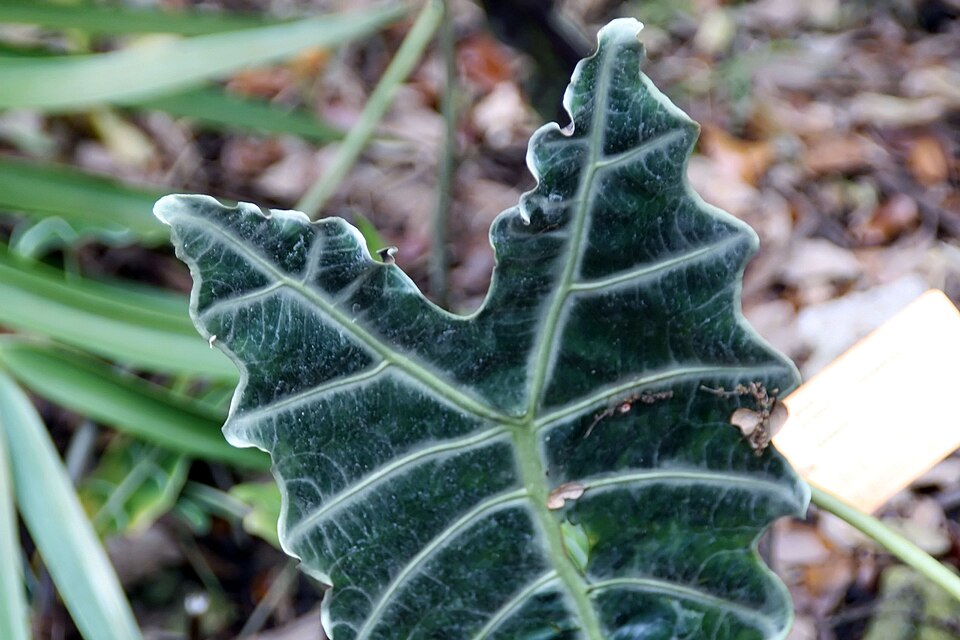
Alocasia amazonica
Dramatic arrow-shaped leaves with striking vein patterns.
 Plant care guide
Care guide
- 1Bright direct light
- 2Bright indirect light
- 3Medium light
- 4Low light
Watering requirements
Water every 7–10 days, letting the soil dry to the right level between waterings.
Sunlight requirements
Thrives in medium to bright indirect light. Not suited to intense, direct sun.
Humidity requirements
Prefers higher humidity. Group it with other plants or keep it away from AC vents.
Pet-friendly plant?
Not verified. Keep it out of reach of pets and check with your vet if unsure.
Care level
Needs attention
Best setting
Indoor
About Alocasia (Elephant Ear)
Large, sculptural leaves with bold contrasting veins make this one of the more dramatic statement plants on this list — best placed somewhere it'll be noticed, like a reception area.
Dramatic, veined leaves; wants steady humidity and warmth.
Where it works best
- Reception & entrance feature
- Bright lobby corners
How to care for Alocasia (Elephant Ear)
Sunlight
Prefers bright, indirect light. Direct sun scorches the leaves, and low light causes weak, leggy growth.
Water
Water when the top 3–4 cm of soil feels dry, then water thoroughly and let the excess drain. Expect roughly every 7–10 days, and less in the monsoon or in cold air-conditioned rooms.
Humidity & temperature
Does best in average to humid air at 18–32°C. In dry offices, wipe the leaves regularly and avoid placing it directly in front of an AC vent.
Soil & feeding
Use a chunky, well-draining potting mix rich in organic matter. Feed with a balanced liquid fertiliser every 4–6 weeks in the growing season.
Pruning
Remove yellow or damaged leaves at the base with clean scissors, and trim to control height or shape in spring.
Propagation
Divide offsets at repotting, or take stem cuttings that include a node. Root them in water or moist mix during the warm growing season.
Common problems
- Symptom
Drooping, yellowing leaves
CauseOverwatering, or the plant entering a natural rest period in cooler months.
- Symptom
Brown, crispy edges
CauseDry air or irregular watering.
- Symptom
Webbing and speckled leaves
CauseSpider mites — wipe the leaves and raise humidity.
Frequently asked questions
Why are the leaf tips turning brown?
Usually dry air, or letting the soil dry out completely and then flooding it. Water on a steadier schedule and keep the plant away from direct AC airflow.
When should I repot?
Every 1–2 years, or when roots circle the pot or emerge from the drainage holes. Move up one pot size in spring or at the start of the warm season.
Is it safe for pets and children?
Keep Alocasia (Elephant Ear) out of reach of pets and small children. Many ornamental plants can irritate the mouth or stomach if chewed. If a pet or child eats part of the plant, contact a vet or doctor.
Care guidance is general advice for Indian indoor and outdoor conditions. For plants in a Bonita maintenance programme, our team looks after watering and feeding for you.