
Peperomia
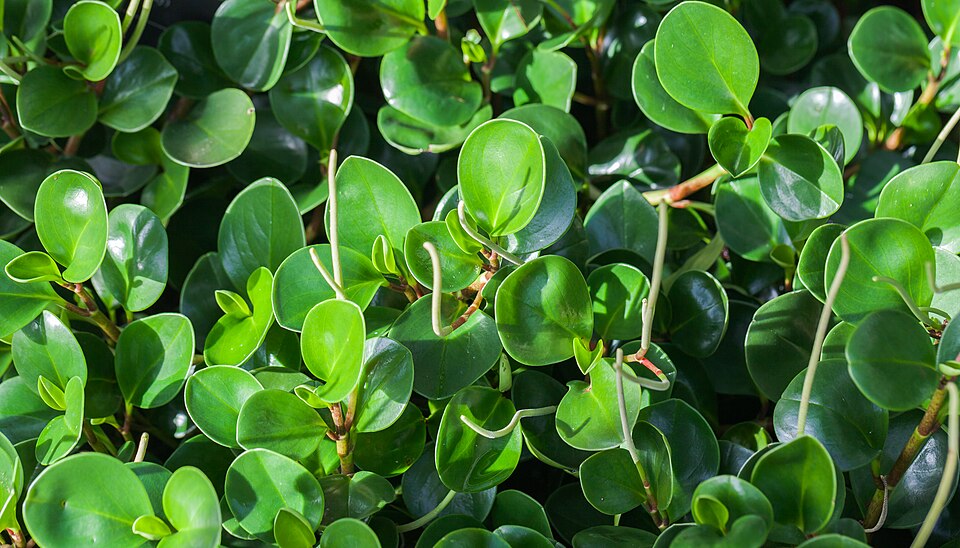
Peperomia obtusifolia
A compact, glossy-leafed filler for shelves and desks.
 Plant care guide
Care guide
- 1Bright direct light
- 2Bright indirect light
- 3Medium light
- 4Low light
Watering requirements
Water every 10–14 days, letting the soil dry to the right level between waterings.
Sunlight requirements
Thrives in medium to bright indirect light. Not suited to intense, direct sun.
Humidity requirements
Normal room humidity will do. Keep it away from direct AC airflow.
Pet-friendly plant?
Yes, listed as non-toxic to cats and dogs by the ASPCA.
Care level
Easy
Best setting
Indoor
About Peperomia
Thick, rounded leaves store water well, so it tolerates inconsistent watering — a dependable small plant for shelving, side tables and mixed planter arrangements.
Thick, water-storing leaves that tolerate missed waterings.
Where it works best
- Shelving & side tables
- Mixed planter arrangements
How to care for Peperomia
Sunlight
Grows well in medium to bright indirect light. Strong direct sun scorches the leaves, and very low light makes growth sparse.
Water
Let the top few centimetres of soil dry out between waterings, roughly every 10–14 days. The thick leaves store water, so overwatering is the main risk.
Humidity & temperature
Comfortable in normal indoor conditions at 18–32°C. Keep it away from cold AC drafts.
Soil & feeding
Use a light, well-draining potting mix. Feed with a balanced liquid fertiliser at half strength every 4–6 weeks while growing.
Pruning
Trim yellow or leggy growth to keep the plant tidy.
Propagation
Take stem or leaf cuttings, or separate offsets, and root them in water or moist mix during the warm season.
Common problems
- Symptom
Yellow leaves
CauseOverwatering or poor drainage.
- Symptom
Brown leaf tips
CauseDry air or uneven watering.
- Symptom
Leggy growth
CauseNot enough light.
Frequently asked questions
How do I get more plants from it?
Most plants in this group root easily from cuttings or offsets. Take them in spring, root in water or moist soil, and pot up once roots form.
When should I repot?
Every 1–2 years, or when roots fill the pot. Move up one pot size at the start of the warm season.
Is it safe for pets and children?
The ASPCA lists this plant as non-toxic to cats and dogs (checked October 2026). Even so, discourage chewing, as any plant can cause mild stomach upset if eaten in quantity.
Care guidance is general advice for Indian indoor and outdoor conditions. For plants in a Bonita maintenance programme, our team looks after watering and feeding for you.