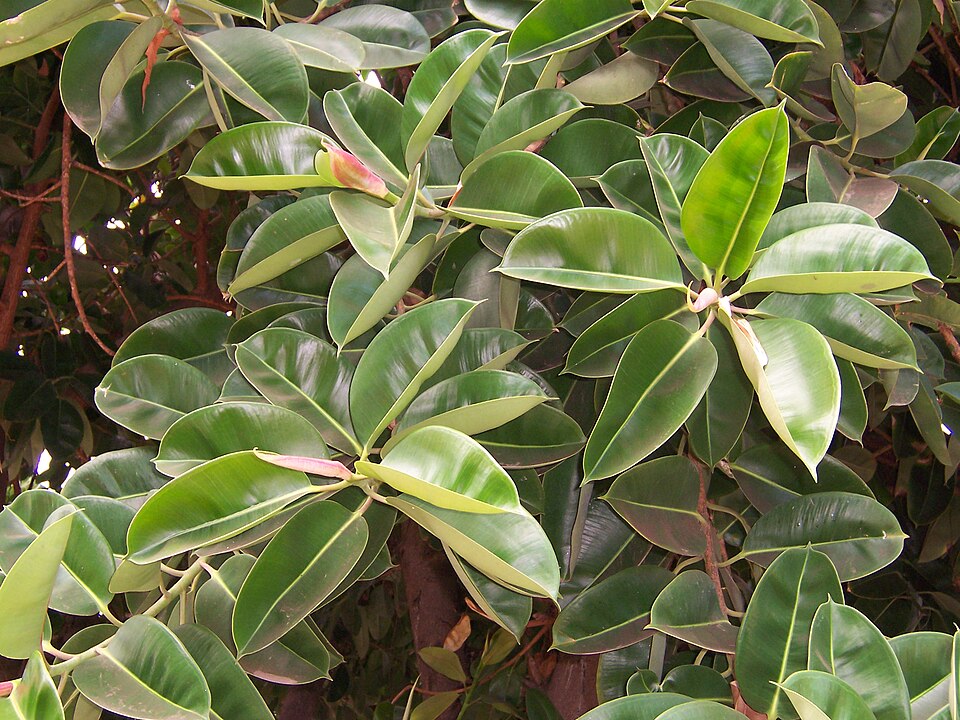

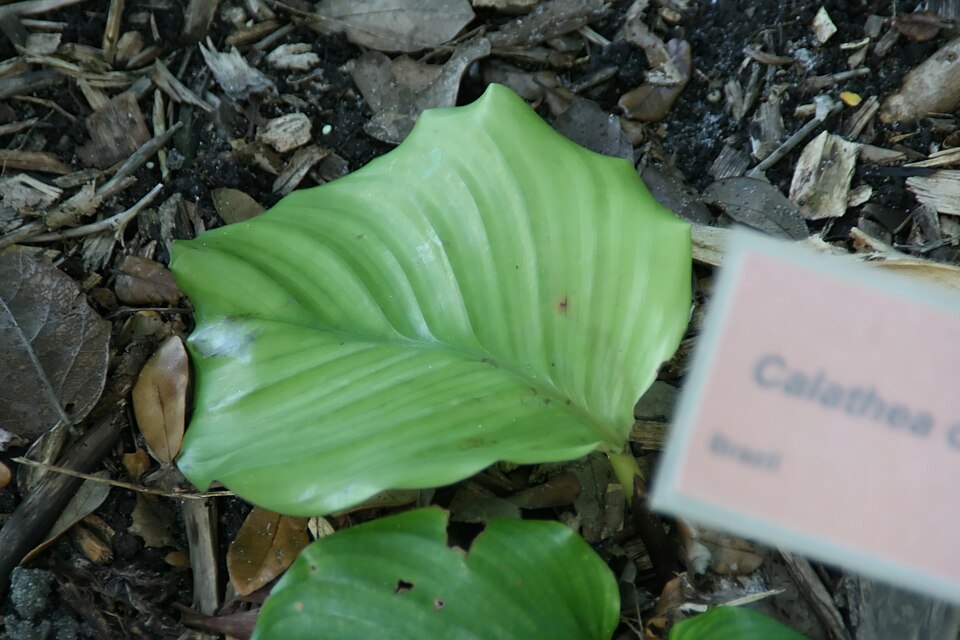
Calathea
Calathea orbifolia
Striped round leaves that fold up in the evening.
 Plant care guide
Care guide
- 1Bright direct light
- 2Bright indirect light
- 3Medium light
- 4Low light
Watering requirements
Water every 5–7 days, letting the soil dry to the right level between waterings.
Sunlight requirements
Thrives in medium to bright indirect light. Not suited to intense, direct sun.
Humidity requirements
Prefers higher humidity. Group it with other plants or keep it away from AC vents.
Pet-friendly plant?
Yes, listed as non-toxic to cats and dogs by the ASPCA.
Care level
Needs attention
Best setting
Indoor
About Calathea
Large, striped leaves that visibly rise and fold at night, which makes it a talking-point plant for a lobby or breakout area — it prefers steady humidity over direct sun.
Striking, patterned leaves that fold up at night; keep humidity up.
Where it works best
- Breakout & lounge areas
- Pet-friendly office spaces
How to care for Calathea
Sunlight
Prefers medium, indirect light. Direct sun fades and burns the patterned leaves, and very low light dulls the colours.
Water
Keep the soil lightly moist, watering about every 5–7 days. These plants are sensitive to minerals in tap water — filtered or settled water prevents brown edges.
Humidity & temperature
Needs steady humidity and warmth, around 18–30°C. Dry AC air and cold drafts are the main causes of crispy leaves.
Soil & feeding
Use a moisture-retentive but well-draining mix. Feed at half strength every 6–8 weeks in the growing season.
Pruning
Trim yellow or damaged leaves at the base to encourage new growth.
Propagation
Divide the clump at repotting, keeping roots and several stems on each section, and keep the new plants warm and humid.
Common problems
- Symptom
Crispy brown leaf edges
CauseLow humidity or minerals in tap water.
- Symptom
Curling leaves
CauseUnderwatering or dry air.
- Symptom
Faded patterns
CauseToo much direct light.
Frequently asked questions
Why do the leaves fold up at night?
It is a natural movement — the leaves rise in the evening and open again by morning. It does not mean the plant is unhappy.
Is it difficult to keep in an office?
It is more demanding than most office plants because of its need for humidity. A spot away from AC vents, with filtered water, makes a big difference.
Is it safe for pets and children?
The ASPCA lists this plant as non-toxic to cats and dogs (checked October 2026). Even so, discourage chewing, as any plant can cause mild stomach upset if eaten in quantity.
Care guidance is general advice for Indian indoor and outdoor conditions. For plants in a Bonita maintenance programme, our team looks after watering and feeding for you.