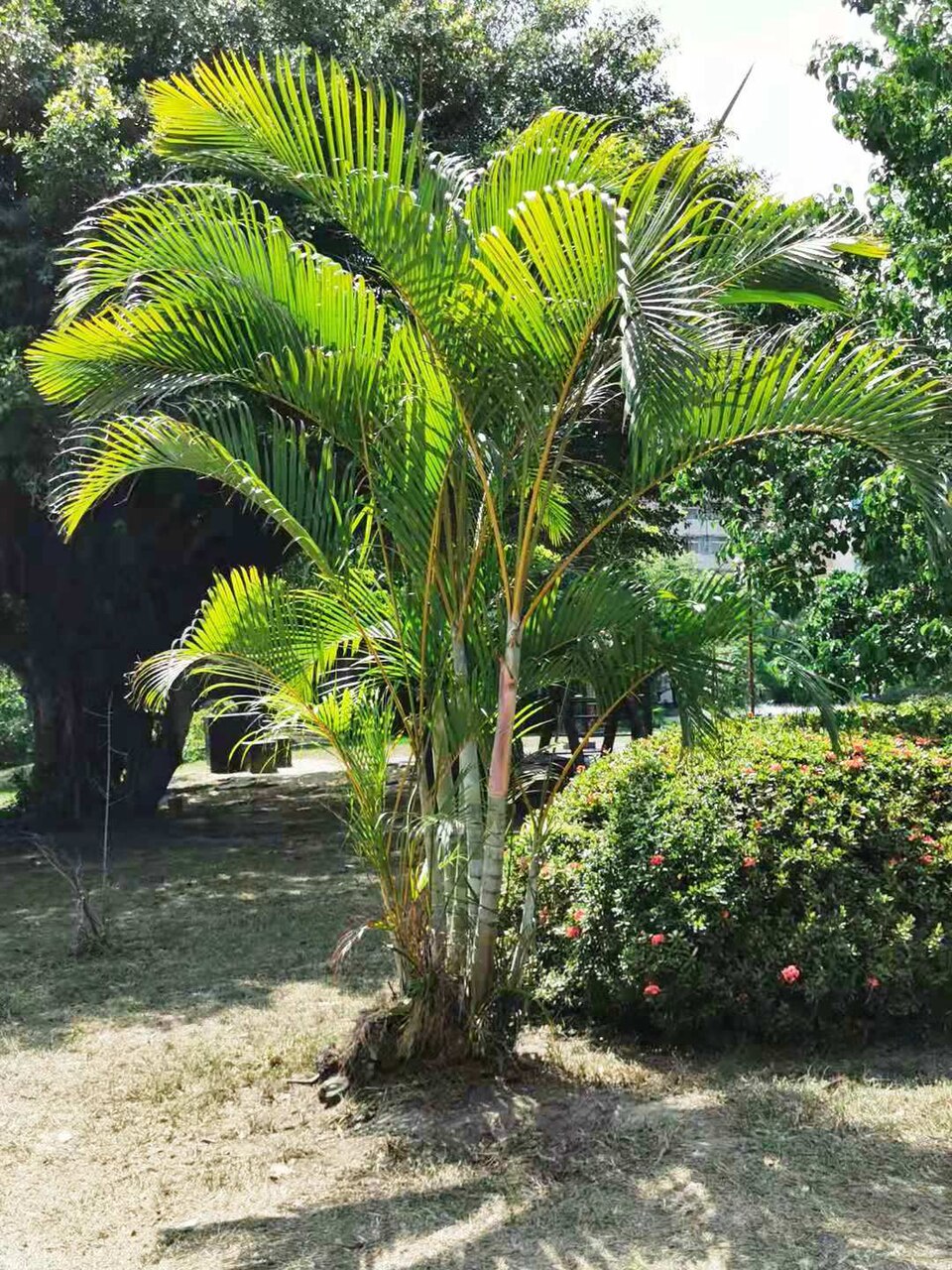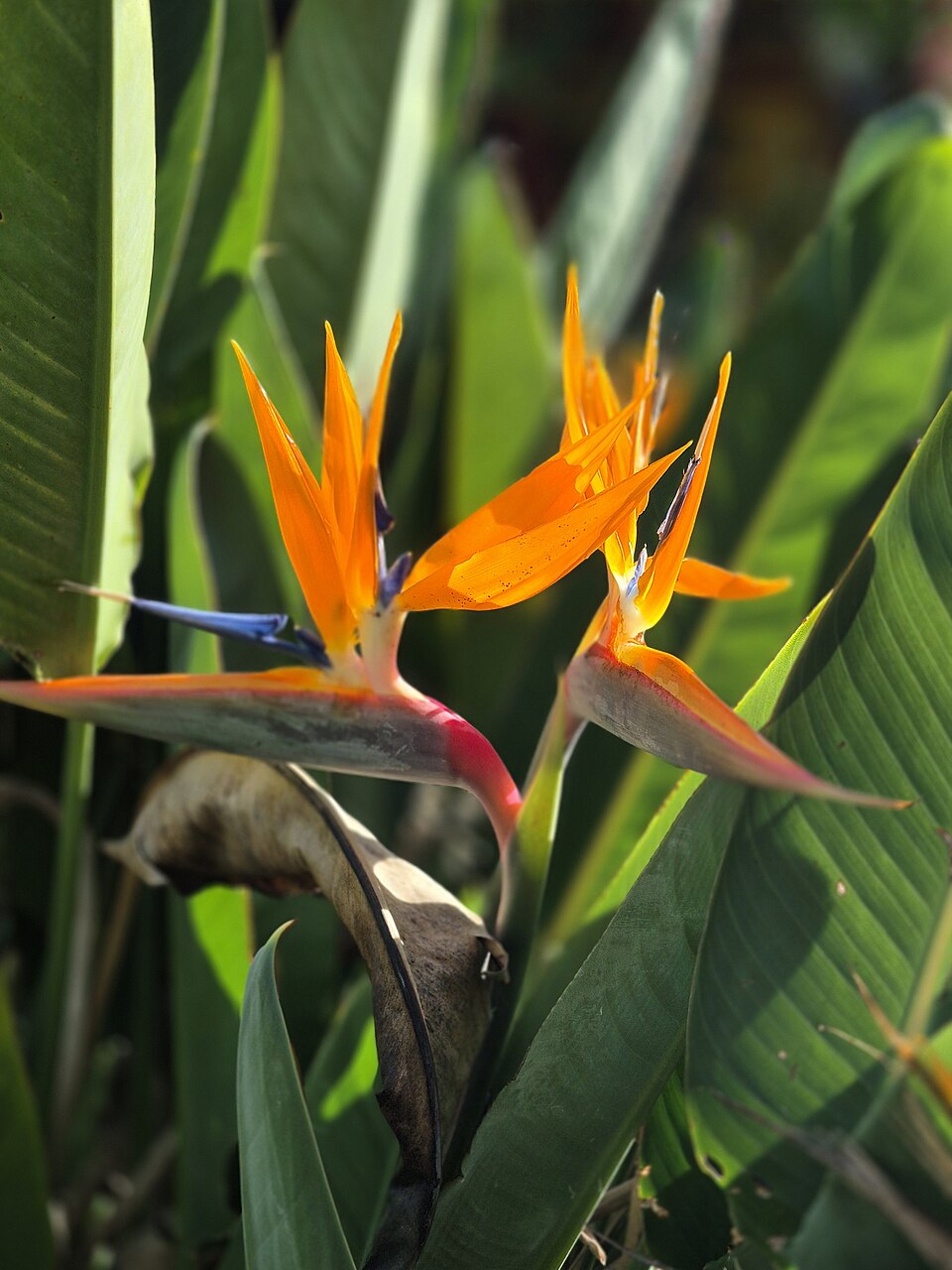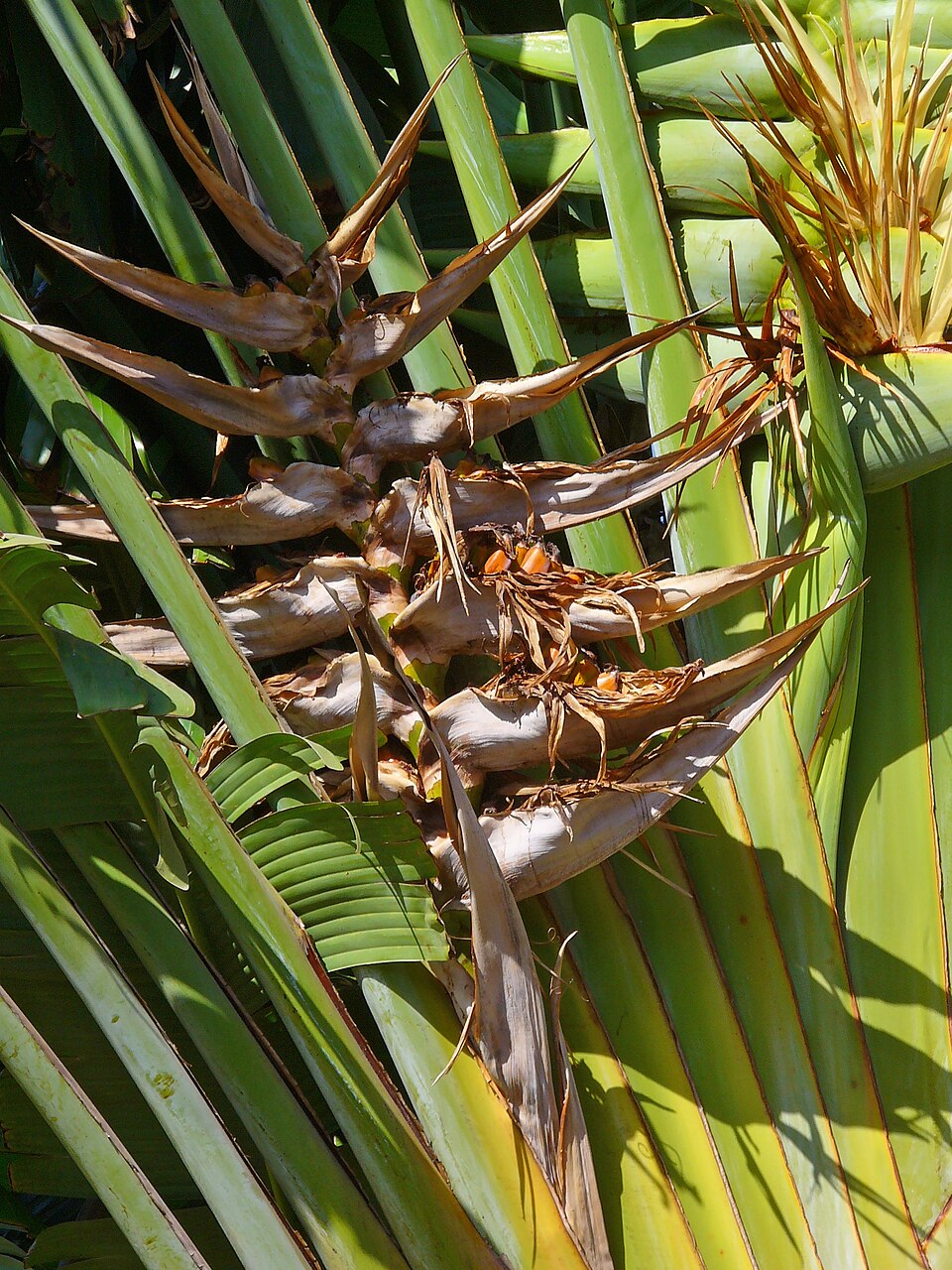

Heliconia
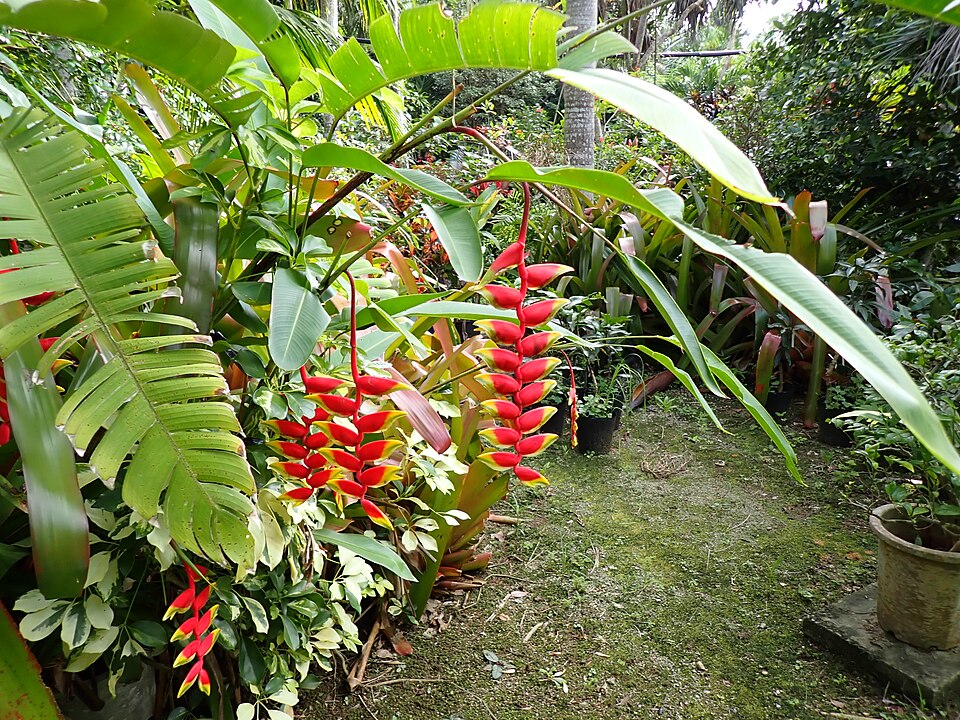
Heliconia rostrata
Dramatic drooping bracts for a tropical campus feature bed.
 Plant care guide
Care guide
- 1Bright direct light
- 2Bright indirect light
- 3Medium light
- 4Low light
Watering requirements
Water 2–3 times a week, letting the soil dry to the right level between waterings.
Sunlight requirements
Needs bright light, including some direct sun. Keep it near a bright window or in an open, sunny spot.
Humidity requirements
Prefers higher humidity. Group it with other plants or keep it away from AC vents.
Pet-friendly plant?
Not verified. Keep it out of reach of pets and check with your vet if unsure.
Care level
Moderate
Best setting
Outdoor
About Heliconia
Large paddle-shaped leaves and vivid, lobster-claw-shaped flower bracts make this a strong feature planting for outdoor beds and courtyard corners that get good sun.
Bold, lobster-claw bracts for sunny tropical beds; keep it watered and fed.
Where it works best
- Campus feature beds
- Courtyard & entrance plantings
How to care for Heliconia
Sunlight
Grows best in full sun to light shade with plenty of warmth. Shelter it from strong wind, which shreds the large leaves.
Water
Water deeply and regularly, especially in the dry season — typically 2–3 times a week for young plants. Mulch the bed to retain moisture; established plants need less.
Humidity & temperature
A true tropical that thrives in warm, humid conditions and dislikes cold. It is well suited to most Indian cities.
Soil & feeding
Plant in rich, well-drained soil with plenty of compost. Feed every 6–8 weeks in the growing season with a balanced fertiliser or organic manure.
Pruning
Remove dead or damaged leaves and spent flowers. Cut old stems to the base after flowering.
Propagation
Divide mature clumps at the start of the growing season, or separate offsets and pot them. Growing from seed is slow.
Common problems
- Symptom
Torn, ragged leaves
CauseStrong wind — large leaves split naturally; plant in a sheltered position.
- Symptom
Brown leaf edges
CauseUnderwatering, heat stress, or salts in the soil.
- Symptom
Few or no flowers
CauseNot enough sun or nutrients.
Frequently asked questions
How much space does it need?
These are large, clumping plants. Allow generous room around them when planning beds so they can spread without crowding paths or buildings.
When should I prune?
Remove dead or damaged leaves and spent flower stems as needed. A heavier tidy-up is best at the start of the growing season.
Is it safe for pets and children?
Keep Heliconia out of reach of pets and small children. Many ornamental plants can irritate the mouth or stomach if chewed. If a pet or child eats part of the plant, contact a vet or doctor.
Care guidance is general advice for Indian indoor and outdoor conditions. For plants in a Bonita maintenance programme, our team looks after watering and feeding for you.